
Number plate cloning is the illegal use of a copied or stolen vehicle registration number on another vehicle. It is often used to hide the identity of a car involved in speeding offences, parking fines, fuel theft, or other crimes. This article explains how number plate cloning works, the warning signs to look for, and the steps to take if you think your registration has been copied.
Key takeaways
- Number plate cloning copies a legitimate registration onto another vehicle to hide offences.
- Unexpected fines, toll charges or parking notices often signal that your plate has been cloned.
- Check notice details against your vehicle’s make, model, colour and location history.
- Report suspected cloning to the police and the DVLA as soon as possible.
- Keep evidence such as photos, receipts and travel records to dispute penalties.
- Use anti-theft screws and park carefully to reduce the risk of plate theft.
How number plate cloning works and why criminals use it
UK number plate cloning complaints have risen by 689% since 2013. Source: Carwow FOI / DVLA data (2024) & Platehunter / DVLA (2023)
Check any unexpected penalty notice, toll charge or parking demand against your vehicle’s real movements straight away. Quick action helps you challenge false claims before fees rise and gives the police or the DVLA a clearer timeline.
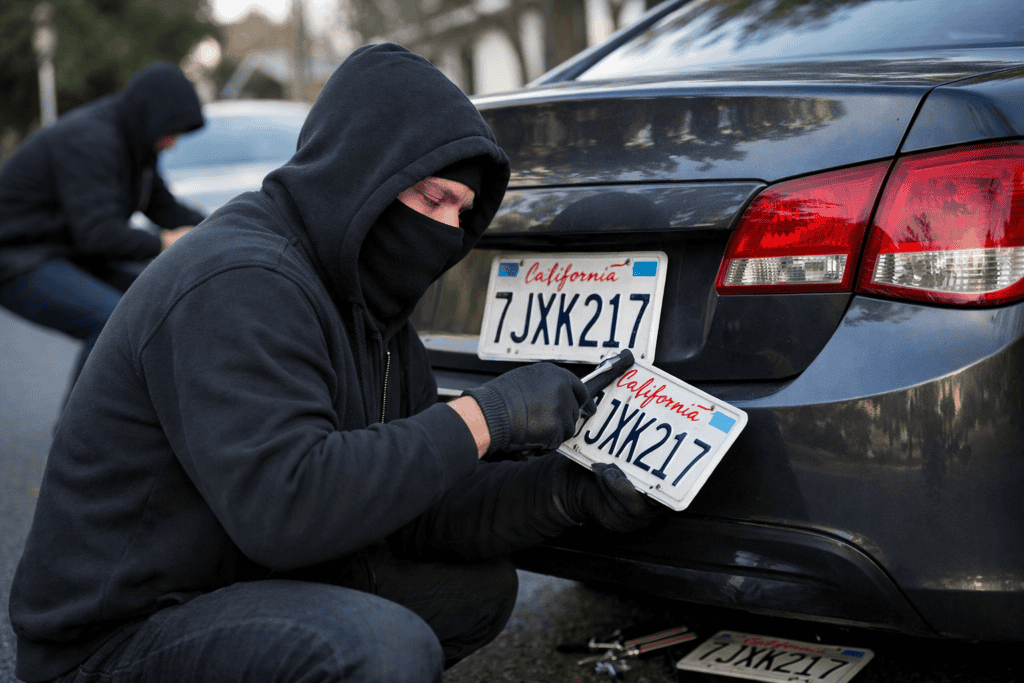
Cloning copies a legitimate registration onto another vehicle, often with the same make, model or colour. That helps it avoid suspicion from cameras and parking staff. Criminals use cloned plates to dodge speeding fines, congestion charges, fuel theft reports and links to other offences, while the registered keeper gets the first notice.
The fraud often starts with a plate seen in public, photographed online or copied from a sale advert. A physical plate can then be made through an unregulated seller, which is why using a compliant supplier such as Number Plate Maker matters when replacing damaged plates or checking legal requirements.
For the vehicle owner, the risk goes beyond nuisance letters. Repeated reports can affect insurance queries, police stops and the time needed to prove where the vehicle was not. Keep dated photos, service records and location evidence to help separate your car from the cloned one.
Common signs that a vehicle registration may have been cloned
Fines, toll demands and parking notices are often the first clear sign of a cloned registration. Treat any notice linked to a place your vehicle has not been, or a time it could not have reached, as a warning and check it at once.
The clearest sign is a mismatch between the notice and your vehicle’s movements, mileage or location history. Evidence images may also show a different badge, trim, wheels, body style or plate spacing, even when the registration matches.
Physical differences can confirm suspicion. A cloned plate may use the wrong font, odd screw placement, non-standard spacing or a supplier mark that does not fit legal UK plate rules. GOV.UK guidance shows what a compliant plate should look like.
| Feature to Check | ⚠️ Potential Cloning Warning Sign | ✅ Legitimate Plate / Vehicle |
|---|---|---|
| Penalty notices received | Fines for locations or times your vehicle could not have reached | All notices match your actual vehicle movements |
| Plate font & spacing | Wrong font, non-standard spacing or missing supplier mark | Charles Wright font, correct spacing, DVLA-compliant supplier details |
| Vehicle details in evidence photo | Different badge, trim, wheels or body style to your car | Exact match to your vehicle's make, model and colour |
| MOT history | MOT records showing a test date or mileage you don't recognise | MOT history fully consistent with your service records |
| VIN / logbook match | VIN on chassis does not match V5C logbook details | VIN, V5C and plate all consistent with DVLA records |
| Screw placement | Odd or asymmetric screw positions suggesting a replacement plate | Standard tamper-proof screws in correct manufacturer positions |
Source: Car Analytics (2025) & Avon & Somerset Police
Other signs still count. Repeated notices from places you have never visited, ANPR records that conflict with receipts, or police contact about incidents involving your registration all justify immediate checks. If the image is unclear, ask for the full photograph and compare every visible detail before responding.
How to check whether your number plate has been copied
Do not rely on one photo or one penalty notice. Check several identifiers together, because cloned plates are often matched to a similar vehicle and can escape quick detection.
Start with the details held by the DVLA vehicle enquiry service. Confirm the make, colour, engine size and tax status linked to your registration. Then compare that record with your V5C, MOT history on GOV.UK, and any images attached to fines, toll charges or parking notices.
Focus on fixed features that are hard to confuse. Badge shape, wheel design, trim level, fuel type, body style and first registration year can expose a mismatch. Date, time and location also show whether your vehicle could realistically have been there.
If the plate looks suspicious, inspect it for spacing errors, incorrect font weight or missing supplier details.
Source: Carwow / DVLA FOI (2024) & BCSF (2024)
What to do if you receive fines or notices for a vehicle you did not use
Act when the first notice arrives. Delays can raise charges and make disputes harder. Contact the issuer at once, explain that your registration may have been cloned, and ask to put the case on hold while you challenge it.
Send copies, not originals, of proof that your vehicle was elsewhere. Useful evidence includes dated photos, fuel receipts, service records, parking bookings, dash cam footage, location logs, and images showing differences in colour, trim, badges or body shape. Report the suspected cloning through police.uk or your local force, and keep the crime reference number.
Tell the DVLA and ask what record needs updating. If the notice came from a council, toll operator or private parking firm, send the same evidence to each. Keep a dated file of every letter, email, image and reference number.
Do not pay if the vehicle in the notice is not yours. Do not ignore letters, miss appeal deadlines or send vague replies without evidence. Prompt contact, clear records and consistent details improve your chances of stopping further notices.
How to report number plate cloning to the police, DVLA and relevant authorities
Fast reporting improves the chance of stopping repeat misuse and helps official records reflect the dispute early. Report suspected cloning to the police first through police.uk or your local force’s non-emergency channel, and ask for a crime reference number. That reference helps when you contact the DVLA, penalty issuers, insurers and any finance provider linked to the vehicle.
Send the DVLA a clear written report with your registration number, vehicle details, copies of notices, and photos showing differences between your vehicle and the one in the evidence. Use the contact routes on GOV.UK and keep copies of everything you send. If your plates are damaged, missing or at risk, replace them through a supplier that follows road-legal number plate rules.
Tell each issuing authority separately if you have received parking charges, toll notices or traffic penalties. Councils, private parking firms, toll operators and police camera units run different systems, so one report will not update them all. Include the crime reference number, your vehicle documents and any proof that your car was elsewhere at the time.
If the risk continues, ask the police and DVLA what extra steps they recommend, and review how to replace plates correctly by checking how to buy new. Keep a dated file of letters, emails and reference numbers. That record makes follow-up disputes faster and cuts repeat requests for the same evidence.
Steps vehicle owners can take to reduce the risk of number plate cloning
Keep your registration plates legal, secure and easy to identify. Buy plates from a registered supplier, follow GOV.UK display rules, and replace any that are cracked, faded or hard to read. Clear, compliant plates reduce confusion if a notice or camera image needs checking.
Park off-street when possible and remove old plates before selling, scrapping or storing a vehicle. Criminals often copy registrations that do not draw attention, so limiting public exposure helps. Keep recent photos of the front, rear and distinguishing features as a record if you need to prove your vehicle’s appearance.
Regular checks add protection. Review your post for unexpected parking or toll notices, confirm your DVLA vehicle record is accurate, and update your V5C after any address change. Security screws and anti-tamper fittings can reduce plate theft from the vehicle, but they cannot stop someone copying a registration elsewhere.
Frequently Asked Questions
What is number plate cloning?
Number plate cloning is the illegal copying of a vehicle’s registration number onto another car. Criminals use it to hide the identity of a vehicle involved in offences, toll charges or parking fines. It can leave the genuine owner facing penalties for incidents they did not cause.
How does number plate cloning usually happen?
Number plate cloning is not random; it usually starts with a criminal copying a registration from a similar vehicle. They may take it from a car parked in public, listed for sale online, or seen on the road. The copied plate is then fitted to another vehicle to hide offences, avoid charges, or mask the car’s identity.
What are the common signs that a number plate has been cloned?
Check any unexpected fines, toll charges or parking notices straight away. They often show your registration being used in places you have not visited.
- Mileage or MOT records that do not match your vehicle
- Differences in make, model or colour on official notices
- Reports of fuel theft, speeding or other offences linked to your plate
What should you do if you think your number plate has been cloned?
If fines, parking notices or speeding letters mention places you have not visited, act at once. Report it to the police on the non-emergency number 101 and contact the DVLA. Keep copies of notices, crime reference details, and photos of your vehicle to help prove misuse.
How can you help prevent number plate cloning?
Two simple checks cut risk: keep your registration plates clean and make sure they meet legal standards. Clear, undamaged plates are harder to copy or alter. Park in well-lit areas, remove online photos that show your full registration, and act fast if fines or notices appear for places you have not visited.